Master compliance with unified control

Intelligent Compliance That Removes Manual Work
One platform for all your compliance needs
Let Automation Remove Compliance Complexity
Simplify compliance regulation with AI-enabled tools
-
Hours of Service
management -
Safety
compliance -
Temperature
control -
Asset
compliance -
Driver
management -
Data
intelligence

Hours of Service management
Our electronic logging system automatically tracks driver hours and vehicle data. Real-time alerts help prevent violations before they occur. The system connects directly to your TMS (Transport Management Software), eliminating manual data entry.

Safety compliance
Temperature control
Asset compliance

Driver management

Data intelligence
Clear results, measured in numbers
Cut violations while saving valuable time
From automated monitoring to smarter operations, Powerfleet customers have seen measurable gains across fleet utilization, load turnaround, driver compliance, and customer satisfaction.
Prevent violations
AI-powered monitoring catches potential violations before they happen. Real-time alerts replace manual oversight.
Less manual paperwork
Clear performance metrics
Simplified global standards
Our Reach
Real results from real customers
“What makes Powerfleet stand out is their responsiveness to provide solutions for our industry’s challenges and improvement opportunities.”
![]()
Chief Operating Officer
NACPC
"Within six months, we saw an 85% decrease in harsh braking and a 57% decrease in harsh acceleration."
![]()
Group Fleet Director
Wincanton
“Powerfleet helps us elevate safety standards, reduce costs, and increase vehicle longevity while meeting environmental goals.”

![]()
Fleet Coordinator
Energisa
FAQs
Powerfleet supports a broad range of compliance workflows across on-road and on-site operations, including Hours of Service management, DVIR, safety compliance, temperature control, asset compliance, driver management, operator access control, digital inspection workflows, and data intelligence.
Through Unity, Powerfleet helps centralize compliance data from connected vehicles, material-handling equipment, IoT devices, OEM systems, and external sources. This enables teams to reduce manual reporting, maintain digital records, monitor exceptions, and address compliance risks before they become violations or operational issues.
Powerfleet helps teams move from reactive compliance documentation to proactive compliance management. By monitoring key data such as driver hours, vehicle inspection status, asset condition, operator access, driver behavior, and, where applicable, temperature, Unity can alert teams when an issue approaches a threshold that may require action.
For example, dispatchers can see when a driver is nearing an HOS limit, managers can track whether inspections are completed, and cold chain operators can respond to temperature exceptions before they become larger compliance or customer-impacting issues.
This reduces manual oversight, improves accountability, and gives teams more time to act before a compliance issue escalates.
Powerfleet simplifies Hours of Service management by automatically tracking driver hours and vehicle data, reducing the need for manual recordkeeping. Real-time alerts help teams identify when a driver is approaching a limit, enabling dispatchers and compliance teams to take action before a violation occurs. The system can also integrate with a customer’s TMS to reduce manual data entry and support more connected compliance workflows.
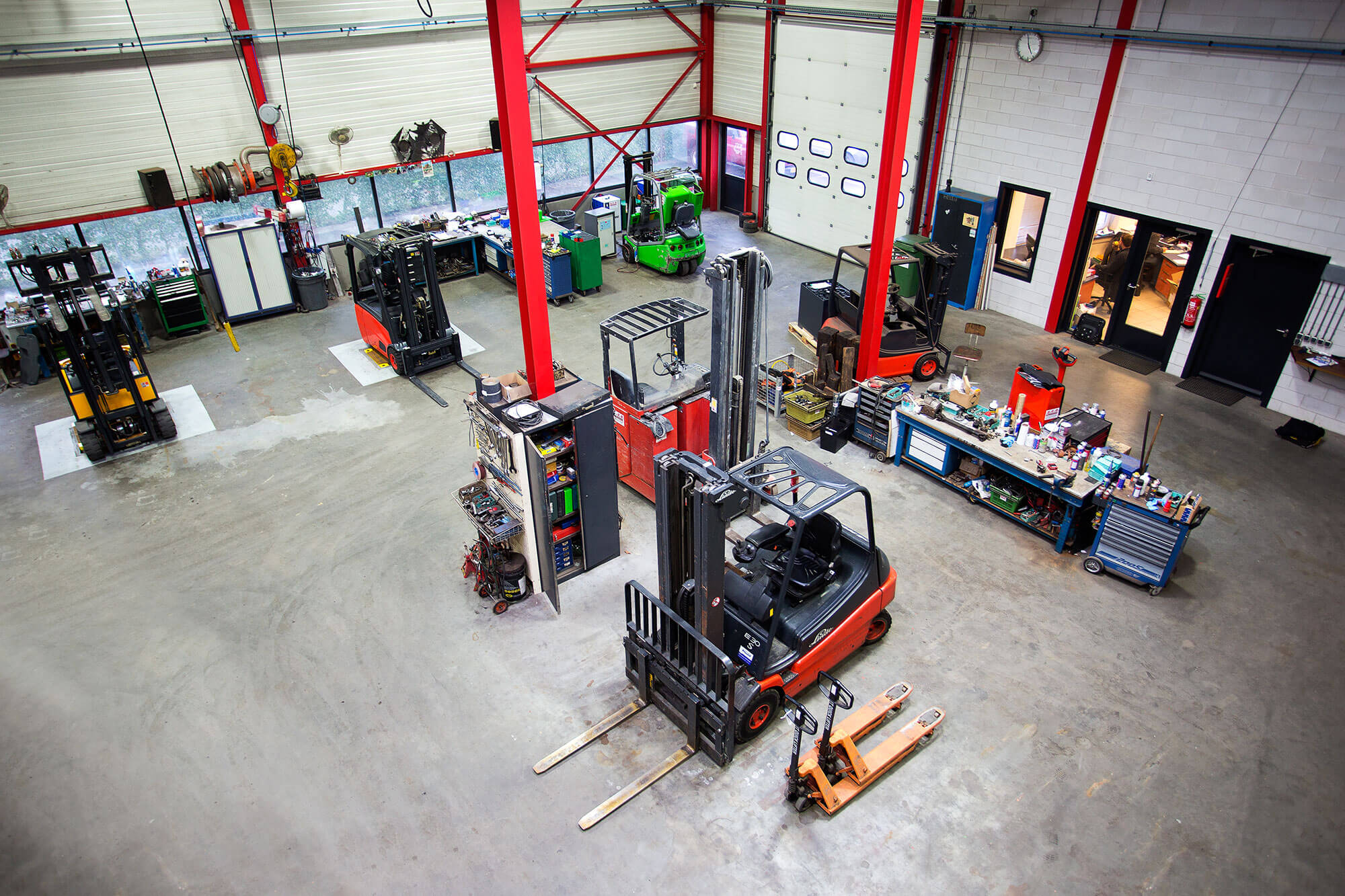
Powerfleet helps teams replace paper-based inspections with digital workflows that provide a clearer record of asset condition and operator activity. Drivers or operators can complete inspection checklists before use, while managers can track inspection completion, reported defects, maintenance needs, and unresolved issues.
For on-site operations, this can help ensure that only authorized or qualified operators use equipment and that required safety checks are completed before operation. For on-road fleets, digital inspection records can help operations, maintenance, and compliance teams monitor vehicle readiness and follow up on defects more efficiently.
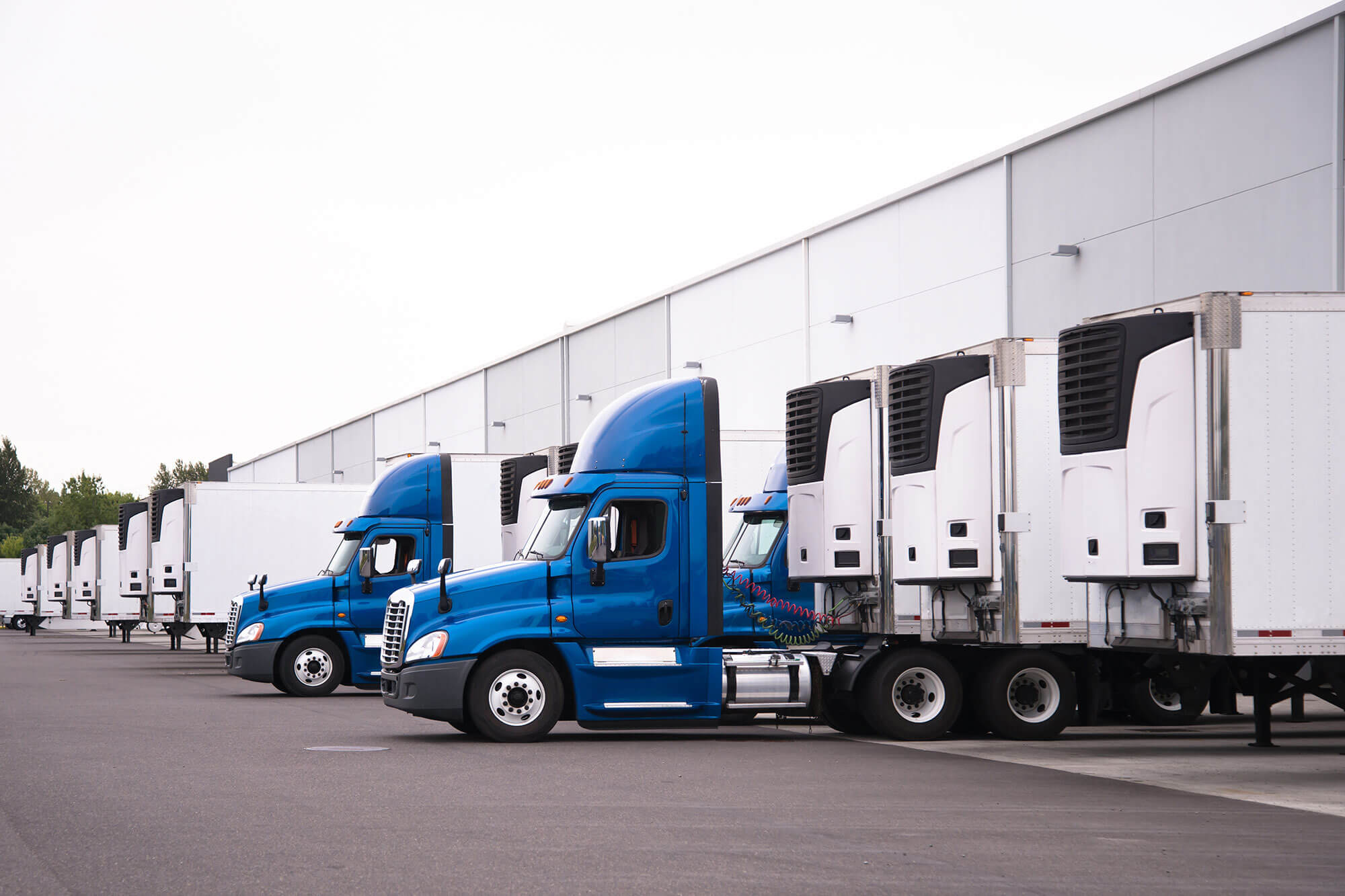
Powerfleet helps fleets monitor cargo temperature in real time for sensitive shipments, including food, beverages, pharmaceuticals, and other temperature-controlled operations. When temperatures drift outside configured ranges, teams receive alerts and can take action before the issue affects cargo quality, customer commitments, or compliance records.
Temperature data can also be recorded digitally, helping teams maintain records and simplify reporting for temperature-sensitive operations.
Yes. Unity is designed to consolidate data from Powerfleet solutions, IoT devices, OEM systems, and selected external sources, helping customers reduce manual reconciliation across disconnected tools. This can enable more connected workflows across HOS, inspections, temperature monitoring, driver management, asset compliance, and reporting.
For customers with existing fleet management, dispatch, transportation management, ERP, maintenance, or other business systems, Powerfleet can help determine the right integration approach based on the systems in place and the compliance workflows they need to support.
Powerfleet helps teams maintain digital records of compliance-related activity, including driver hours, inspections, safety events, temperature data, asset activity, maintenance records, training, certifications, and, where applicable, performance metrics.
By centralizing this data in Unity, teams can reduce the time spent manually gathering records and generate clearer reports for internal reviews, audits, and operational planning. This helps compliance teams move from scattered documentation to more consistent, data-driven reporting.
ELD compliance is the federal requirement for most commercial motor vehicle drivers in the United States to use an Electronic Logging Device (ELD) to record their Hours of Service (HOS). The mandate, set by the Federal Motor Carrier Safety Administration (FMCSA) under 49 CFR Part 395, applies to drivers currently required to maintain records of duty status.
An ELD automatically records driving time, engine hours, vehicle movement, miles driven, and location, replacing paper logs and earlier automatic onboard recording devices. Motor carriers must use an ELD registered and self-certified on the FMCSA's list of approved devices, retain supporting documents for six months, and ensure drivers can transfer ELD data to safety officials during a roadside inspection or audit. ELD compliance is one component of broader DOT compliance, which also covers vehicle inspections, driver qualification, drug and alcohol testing, and recordkeeping.
North America
Europe
Deutschland
Asia-Pacific
Canada (Français)
Africa
Argentina
México
Brasil